


Five Generations of Craft.
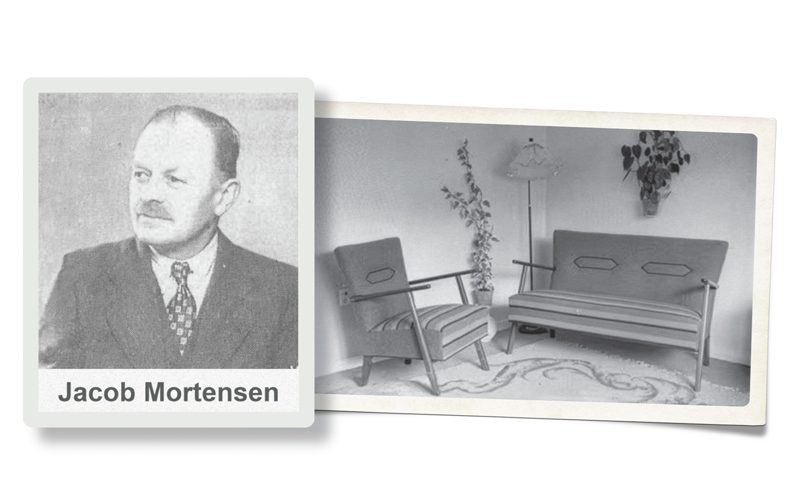
| 1890s |
Our great-great-grandfather, Jacob Mortensen, begins saddlemaking and upholstery work by hand in Durup, Denmark.
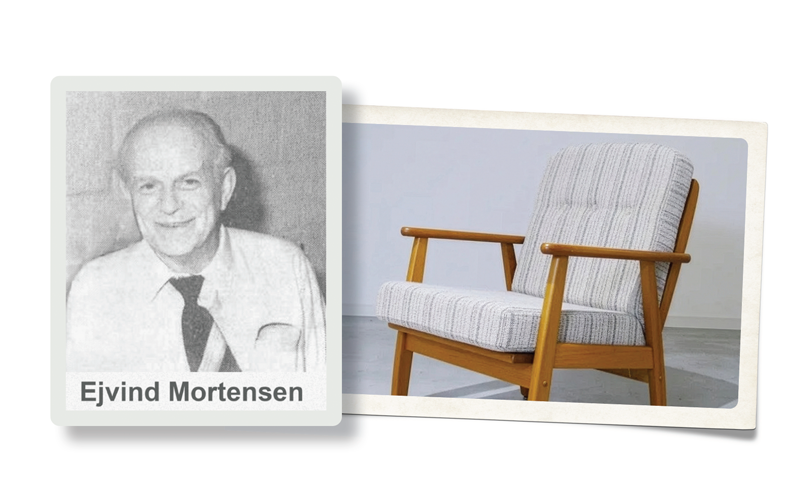
| 1940s |
Our great-grandfather, Ejvind Mortensen, opened Durup Polstremøblefabrik (Upholstered Furniture Company) with his brothers, cementing the family’s deep roots in furniture making.
| 1950s |
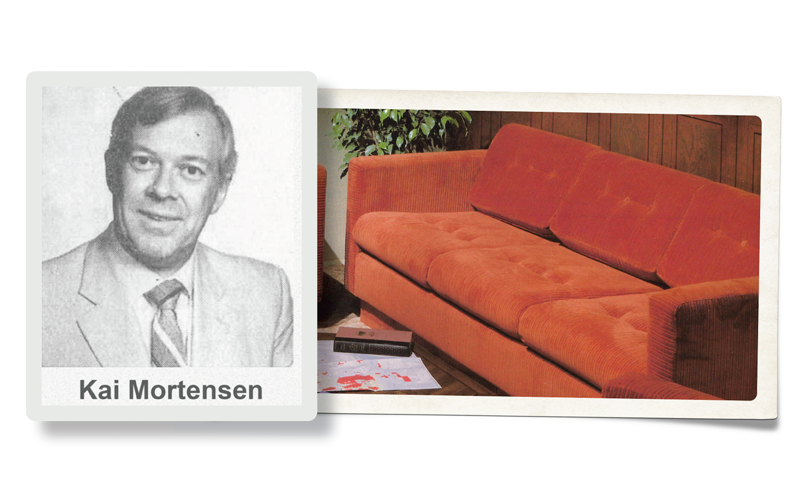
Our grandfather, Kai Mortensen, emigrated with his young family to Calgary, Canada, and opened Foothills Upholstery.
| 1970s |
Kai opened his namesake store, Interiors by Kai Mortensen,
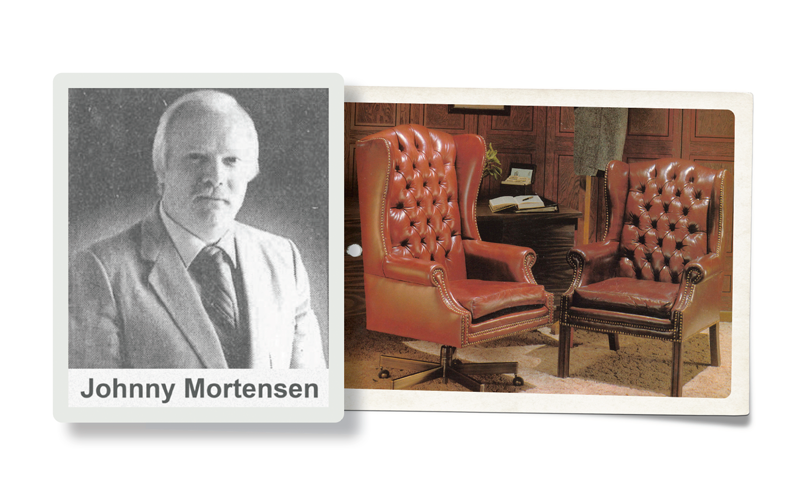
in what would later become Calgary’s Design District. His son, Johnny Mortensen, learns the family trade building frames and upholstering custom residential furniture.
| 1976 |
Our father Johnny and his uncle, John Kristensen, establish Kamor Furniture Ltd., continuing to build custom furniture exclusively for Kai. Soon the company set out on a new path into reception and task seating for the booming local commercial office market.
| 1980s |
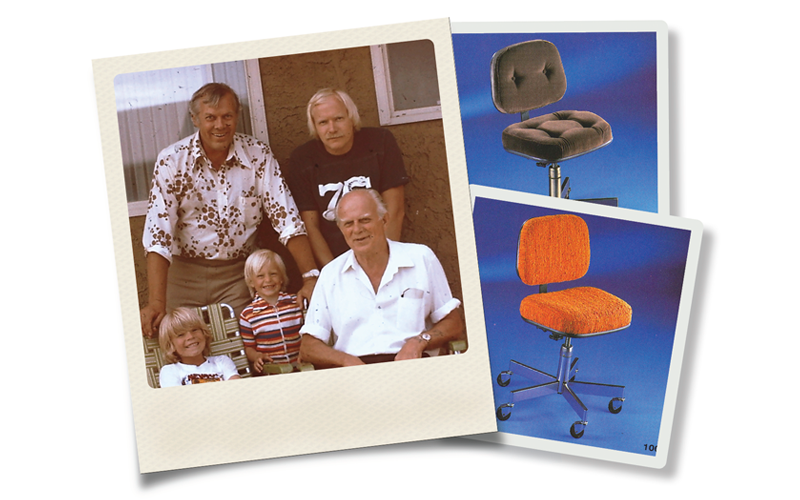
The rise of the computer age fuels growth and diversification in office chair design, prompting new developments in function and fit.
| 1990s |
Ergonomics and human factors take center stage. Johnny’s children Dave, Sonja, and Chris Mortensen joined the company, continuing the family legacy.
| 2000s |
In 2000, we officially became LIFEFORM. A name that reflected our focus on supporting the human form through thoughtful design. This decade also marked a new century, and with it, the continuation of a family legacy that began over 100 years earlier.
| 2010s |
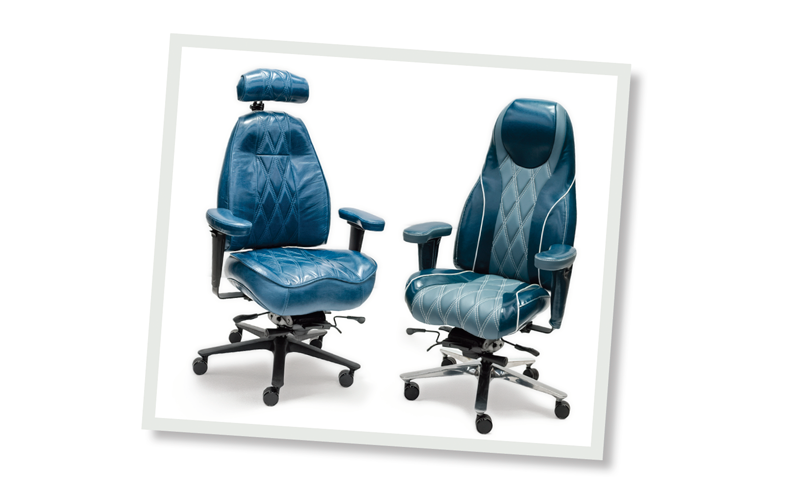
Returning to our residential furniture roots, we offered deeper levels of customization and personalization, making every chair truly unique for each customer.
| 2026 |
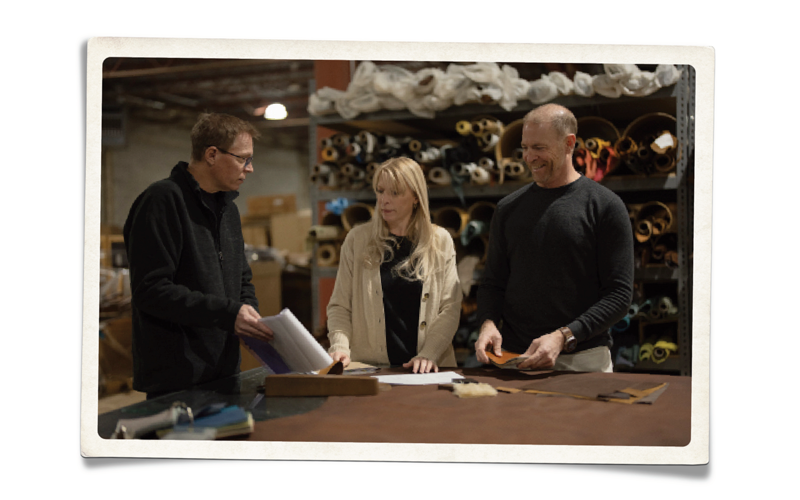
LIFEFORM celebrates 50 years of proud Canadian craftsmanship. Our heritage and values continue to guide how we build: thoughtfully, sustainably, and one chair at a time.
As we look ahead, we remain focused on refining comfort, deepening personalization, and embracing innovation that enhances, not replaces, what we’ve always stood for. The next chapter begins, just as the first one did: with care, purpose, and craft.