The Complete Guide to Leather Upholstery Care
Despite its bad name in some circles, leather is a by-product of the meat industry and saves many hides from being thrown away or destroyed. The hides used in LIFEFORM® products are never sourced from animals harvested specifically for leather, making it more sustainable and ecologically friendly than most plastic alternatives.
Secondly, it lasts longer and retains its quality rather than peeling and cracking. To keep it looking its best for years to come, and help it age gracefully, it requires some maintenance and basic upkeep.
This guide breaks down the following types of leather used in LIFEFORM seating and exactly how to care for each one:
- Shearling & Hair-on-Hide Leathers
- Natural Finish Leathers (Full Grain Natural – Grade 8)
- Waxed Finish Leathers (Full Grain Waxed – Grade 8)
- Protected Finish Leathers (Enhanced Aniline – Grade 7)
Always spot-test any cleaning method in an inconspicuous area first. LIFEFORM is not responsible for damage caused during cleaning.
1. Shearling and Hair-on-Hide Leather Care

These luxurious natural hides are prized for their organic texture and warmth. Shearling is a soft, cozy wool that serves as the perfect cover for any chair or accessory. Hair-on-Hide leathers feature natural fur patterns and bring depth and elegance to any piece. Since these leathers still have their original fibers, they require gentle handling and specific care.
Basic Care for Shearling & Hair-on-Hide leather
- Dust Periodically
Dust is drying to natural leather. Doing routine light vacuuming helps prevent dust buildup and therefore prevents the leather from drying out. These leathers capture dust particularly well in their natural fibers, but too strong a vacuum can damage the hair. Therefore, use a light setting and vacuum often. - Limit Direct Sunlight
UV exposure can fade and dehydrate the hide. If unavoidable, consider a blanket or cover when not using your chair to keep it shaded. - Contain Spills Quickly
Excess water can stain or darken the fur. See below for more detailed descriptions.
Minor Spills
Blot rather than rub for spot treatments. Use a clean, dry cloth and avoid any agitation while the chair is damp. The natural fibers can trap materials such as spills, so rubbing will only spread spills and possibly damage the wool or hair.
Stubborn Stains
For stains that require a chemical treatment, use a mild soap solution (3 parts water, 1 part mild detergent like Dawn or Palmolive) sparingly. However, be sure to contain the spill first to prevent spreading.
What to remember for Shearling and Hair-on-Hide Leathers
These leathers are some of the most comfortable and luxurious materials for upholstery, so make sure you handle them with care. They require delicate handling as not to pull the hair or fur out of the hide. That being said, with proper attention, they will serve you beautifully for years, inspiring you with their natural qualities and warmth.
2. Natural Finish Leather Care
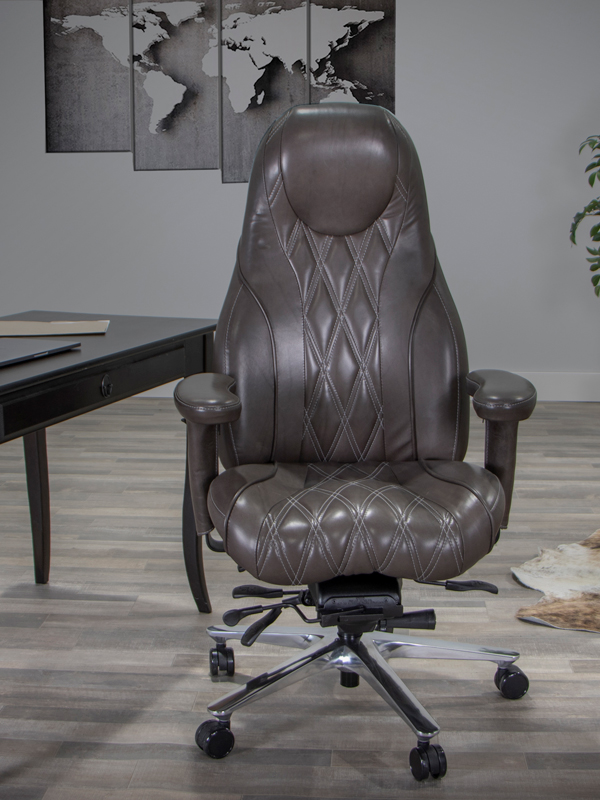
Examples: Sonoma, Harness
Natural finish leathers undergo minimal processing, preserving the hide’s authentic markings, wrinkles, scars, and unique grain patterns. Over time, these leathers develop a rich patina that reflects their journey and your daily use. Since they have less processing than typical leathers, it’s important to care for them appropriately so preserve their natural beauty and suppleness.
Basic Care for Natural Finish Leather
- Dust with a Damp Cloth
The natural grooves and grain of this leather may capture dust when left unused. Again, dust can dry the leather, so wipe frequently with a clean duster or a slightly damp cloth to remove dust buildup.
- Limit Direct Sunlight
Unlike hair-on-hide leathers, there are no fibers to protect against UV rays. Consider a blanket or cover if your chair is placed near a window with direct sunlight.
- Condition Every 6–12 Months
Apply the recommended amount of dedicated leather conditioner to a soft cloth and rub it in using circular motions. Then leave to dry and the leather will absorb the conditioner leaving it bright and smooth. See below for recommended cleaning and conditioner products.
Minor Spots & Spills
Blot immediately, then lightly wipe the entire panel with lukewarm water (not just the stain). Do not use soap.
Stubborn Stains
Use a leather cleaner formulated specifically for natural leather, followed by a conditioner. When in doubt, hire a professional.
Oil, Butter & Grease
Blot excess and let the rest absorb naturally. Do not use water.
Avoid Using:
Saddle soap, solvents, furniture polish, detergents, ammonia, or any non-recommended cleaners.
Recommended Leather Cleaner and Conditioner
Leather Soft Cleaner is a delicate detergent that penetrates and cleans the surface of the leather but does not affect the original quality of the leather or its finish.
Oleosa is a conditioning cream specially designed to restore and maintain the feel of oiled and pull-up leathers. Apply it with a sponge or with a spray bottle to help soften the leather, refresh its natural finish, and reduce the appearance of everyday scratches and fading. It also provides added water resistance, helping protect the leather over time.
Note that Oleosa can slightly reduce the waxed appearance of some oil-and-wax pull-up leathers. It’s important to test it first on a hidden area to ensure you’re happy with the result.
3. Waxed Finish Leather Care
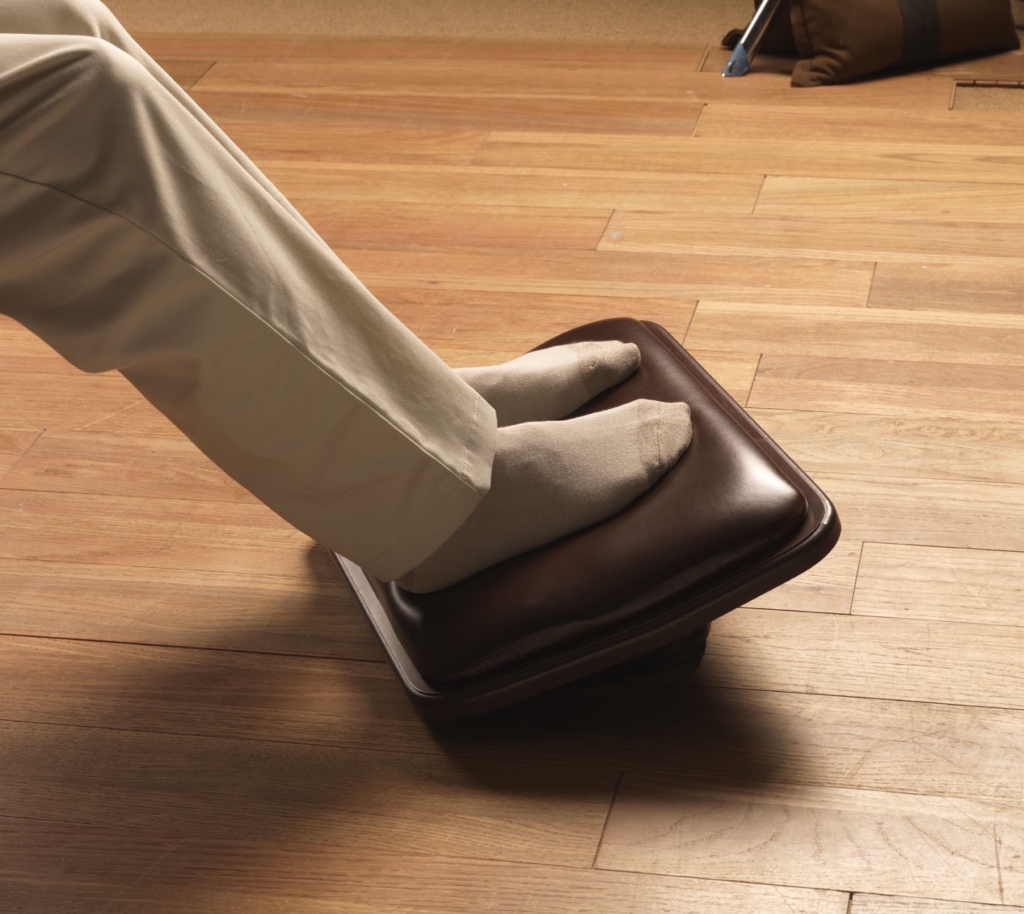
Examples: Mont Blanc, Embossed Brompton Jeff’s Weave, Venetian Triumph
These leathers feature a waxed surface that gives them a rugged, heritage look, similar to the character of a well-loved leather boot. Natural markings are intentionally visible, and over time, the waxed surface develops a deep, elegant patina.
How to Care for Waxed Finish Leather
Care instructions closely mirror natural leather, with special attention to maintaining the wax layer.
- Dust Regularly
- Limit Sunlight
- Contain Spills
- Condition Every 6–12 Months
Normal Care
Buffing or massaging scratches warms the waxes and helps them blend back into the hide.
Minor Spots & Spills
Blot immediately. Use a lightly moistened cloth only if necessary.
Stubborn Stains
Use a leather cleaner and conditioner designed specifically for waxed leathers.
Oil or Grease
Blot excess and allow time for the oils to settle naturally.
Recommended Products
- Leather Soft Cleaner – gentle, safe cleaning
- Oleosa Conditioner – restores color, softness, and wax/oil feel
- Wax On – revives waxed finishes and reduces mild scratches
4. Protected Finish Leather Care

Examples: Hudson, Tribeca
These leathers have a pigmented protective coating that increases stain resistance and promotes uniform color. They offer the softness of aniline leather with greater durability, ideal for family spaces, pets, and high-traffic use.
How to Care for Protected Finish Leather
- Dust Regularly
- Avoid Direct Sunlight
- Contain Spills Quickly
- Condition Every 6–12 Months
Normal Care
Wipe with a lightly damp cloth or vacuum with a soft brush. Condition periodically to keep the surface supple.
Minor Spills
Blot immediately; use a slightly damp cloth if needed. Avoid soap and over-wetting.
Stubborn Stains
Use a dedicated leather cleaner followed by protection cream.
Oil or Grease
Blot excess and allow it to dissipate. Do not use water as it will worsen the spot.
Recommended Products
- Leather Soft Cleaner
- Leather Protection Cream (creates a breathable, invisible barrier against stains)
General Leather Care Principles
Regardless of leather type, a few practices apply to all:
- Keep out of direct sunlight to prevent fading
- Avoid heat sources and vents
- Dust regularly
- Blot spills and never rub
- Use only approved leather products
- Always test in a hidden area first
With the proper care routine, LIFEFORM leathers are designed to last for generations, aging gracefully and developing character as they do.