Healthy Sitting Habits for Your Workday
Every hour we spend sitting without movement is like paying a small “health tax”… you might not notice it at first, but over time it adds up.
Investing in an ergonomic office chair is only one way to support your body. It’s equally important to build small habits that keep you moving and help mitigate the effects of a sedentary lifestyle.
It’s hard to ignore how our modern lifestyle revolves around sitting: working at our desks, commuting in cars or on buses, eating meals, and unwinding in front of screens. Our bodies, however, weren’t designed to stay idle. Like a car left parked for too long, when we sit for hours without movement, our systems start to lose their charge. Our muscles start to stiffen, circulation slows, and energy levels drop.
In this blog, we’ll be discussing the following ways to incorporate healthy sitting habits into your everyday life.
- Finding the Right Office Chair
- Ergonomic Desk and Chair Adjustments
- Movement and Taking Breaks
- Correct Sitting Posture
- Footrests
1. Find the Right Chair
If your body were a high-end sports car tuned for optimum performance, the right office chair is like having air in your tires. Sitting in the wrong chair is like driving with low pressure; you might still move forward, but every mile (or hour) adds wear and tear.
LIFEFORM® Chairs are designed with high-end ergonomics to counter that strain. They feature adjustable lumbar support, contoured seating, and customizable options that help your body stay aligned and comfortable throughout the day. With the right chair, your system stays fluid and can keep performing at high speeds for longer periods of time.
2. Ideal Ergonomic Desk and Chair Adjustments
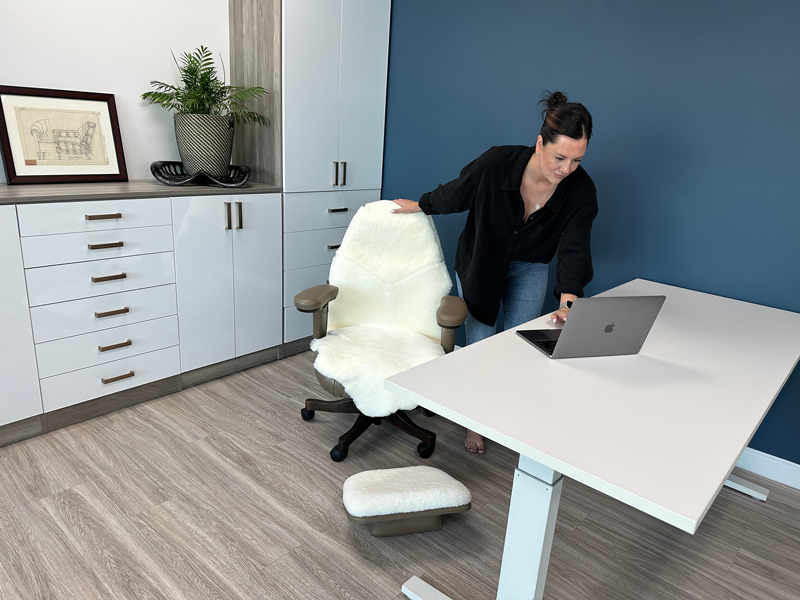
Another key factor in maintaining healthy sitting habits is ensuring your desk and chair are adjusted to the right height. Just as a car needs precise alignment to drive smoothly and avoid uneven wear, your workstation needs to be properly “tuned” to your body. Follow these adjustments for the perfect ergonomic workstation:
- Align your desk. Set your keyboard height so your elbows stay relaxed at about 90–110°, your forearms are level (or slightly down), and your wrists are neutral.
- Adjust your chair. Sit so your feet rest flat (or on a footrest) and knees are around 90–110° for stable support.
- Lift your view. Position your monitor so your eyes naturally fall on the upper third of the screen (the top at, or slightly below eye level) to reduce neck strain.
When everything is in alignment, you reduce unnecessary strain on your back, neck, shoulders, and legs. Having your chair and desk set up for success is the first step to encouraging posture, but it takes a mindful effort as well to stay supported.
3. Take Frequent Breaks
Posture is one thing, but just like a car that’s left idling too long, your body needs to move to stay in good working condition. Taking regular breaks to stretch, stand, and walk around is like running the engine to keep all pistons firing, parts lubricated, and systems functioning smoothly. These movement “tune-ups” help improve circulation, reduce muscle fatigue, and prevent the kind of stiffness and strain that build up when we stay parked for too long.
Try some of these movements to stay healthy during your workday:
- Move with every call. Stand, pace, or walk while you talk. A simple habit that keeps energy and focus flowing.
- Add a burst of strength. Try quick, guided exercises like AHA’s Strength and Balance or 10-Minute Workout Anywhere to recharge your day.
- Keep resistance close. Store light hand weights or a resistance band at your desk for simple movements that build strength and improve posture.
- Think on your feet. Turn informal meetings or brainstorms into walking sessions. Movement fuels creativity.
- Elevate your workspace. Alternate between sitting and standing with a sit-stand desk. Keep posture, comfort, and movement in balance throughout the day.
4. Keep Good Posture
With the support of your chair and desk tuned to your specific body type, posture is the final key to your steering alignment. This intentional posture while sitting can help reduce back and neck pain, improve breathing, and prevent long-term damage to your spine. When everything is positioned correctly, you have better control, balance, and efficiency.
When sitting in your LIFEFORM Chair, let the adjustable lumbar support act as your suspension system, absorbing pressure and keeping your spine in its natural curve. Keep your shoulders relaxed, your chin slightly tucked, and your spine stacked with each vertebra in line with one another. Now you’ll stay comfortably “in the driver’s seat” of your health all day long.
5. Invest in a Footrest
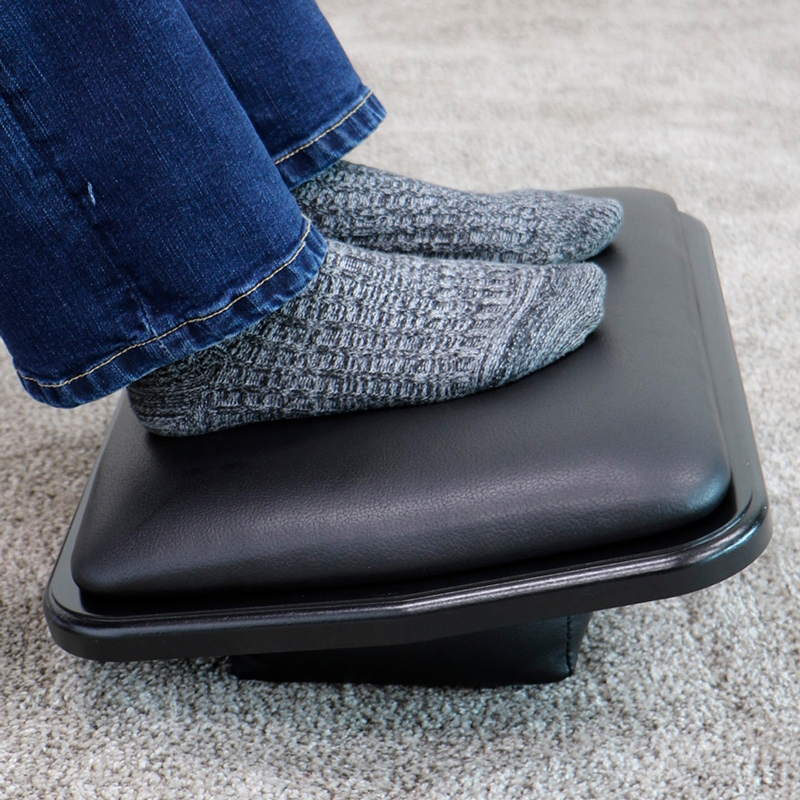
For those who find it difficult to maintain good posture, a footrest can be a valuable addition to your setup. Just as a car needs solid traction to stay steady on the road, your body needs a stable foundation to stay properly aligned. A footrest helps keep your feet flat and supported, improving balance, posture, and circulation while reducing pressure on your lower back. It’s a small adjustment that makes a big difference in how smoothly your “ride” feels throughout the workday.
Incorporating healthy sitting habits into your workday is essential to maintain your physical and mental well-being, especially if you’re spending a lot of time sitting at a desk. By using a LIFEFORM Chair and following the tips outlined above, you can create a comfortable and supportive work environment that will allow you to sit comfortably for extended periods.
If you’re looking for a chair that can help you maintain healthy sitting habits, look no further than LIFEFORM Chairs. With our ergonomic design and adjustable features, you can sit comfortably and work efficiently without sacrificing your health.